

Chaat vs Fast Food. Why Karachiites Are Choosing Traditional Flavors Again
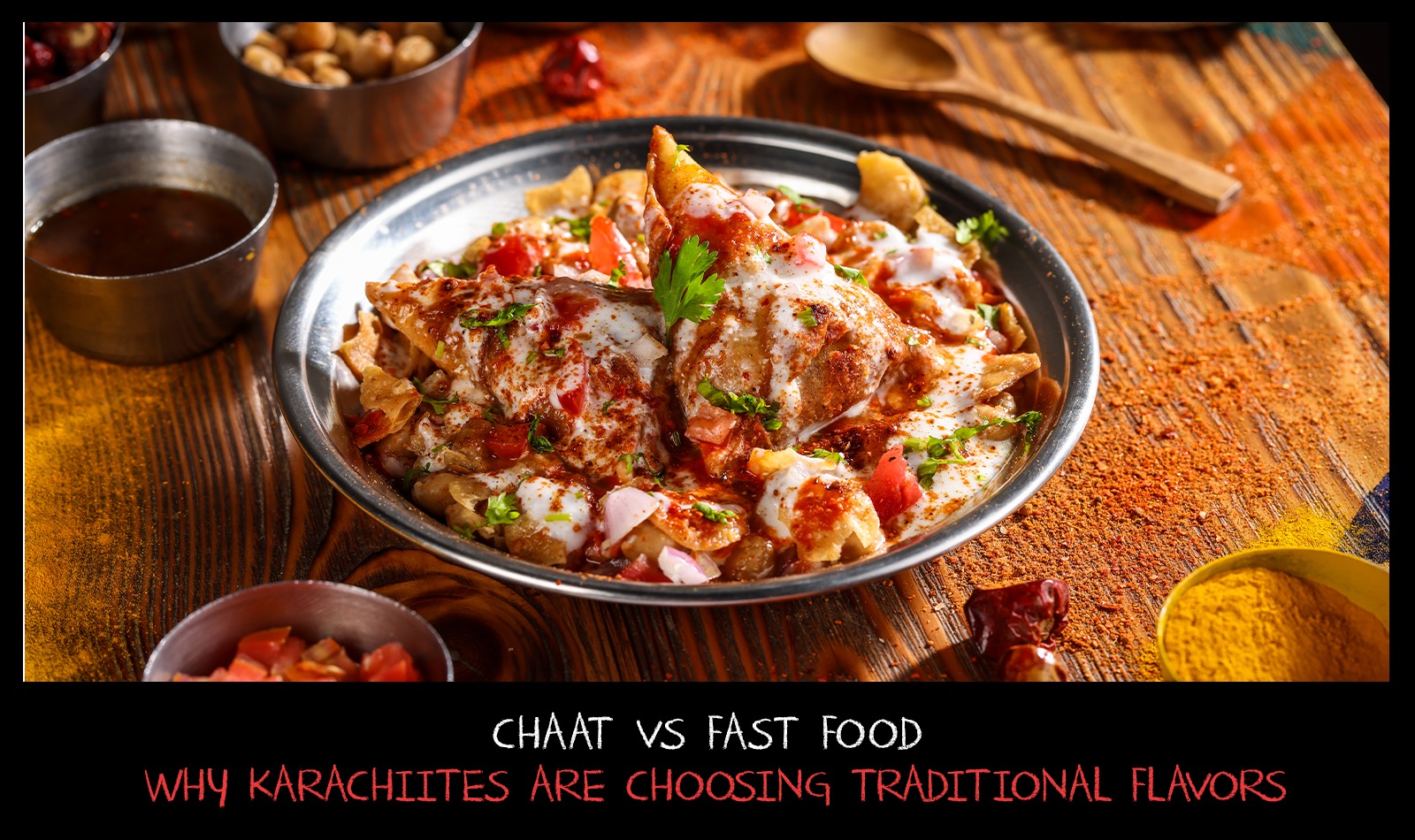
You walk through a busy evening street in Karachi. One side shows glowing burger signs. Another side shows chaat stalls with fresh ingredients, yogurt, and spice blends prepared in front of customers. Many people pause near chaat first.
Food choices across the city changed during recent years. Fast food once dominated quick meals. Now traditional street food Karachi gains attention again. Families, students, and office workers choose local flavors for daily snacks.
Search trends from 2024 and 2025 show rising interest in chaat vs fast food. Health awareness, taste familiarity, and cultural connection shape these choices. And people want snacks with balance, not heavy meals between work hours.
This article explains why Karachi prefers chaat over fast food, what local food trends Karachi reveal, and how traditional snacks vs burgers in Karachi compare in everyday life.
How Food Preferences Shifted Across Karachi
Urban eating habits move with lifestyle pressure. Long workdays increase demand for quick food. But quick does not always mean fried or processed.
A 2025 survey from Pakistan Bureau of Statistics reported a 34 percent increase in spending on traditional snacks compared with packaged fast meals. Street vendors selling chaat recorded higher weekday traffic than burger chains in several commercial zones.
People respond to food which feels lighter during daily routines. Heavy fast food slows movement after meals. Chaat supports short breaks and quick energy.
Traditional Snacks vs Burgers in Karachi. What Changes the Decision
Taste alone does not explain shifting choices. Practical factors shape behavior. Fresh preparation matters. Many chaat vendors assemble each serving in front of customers. Visibility builds trust. Fast food preparation stays hidden inside kitchens.
Portion size also influences selection. Burgers deliver high calories in a single serving. Chaat offers flexible portion control. People adjust serving size based on hunger level. Cost differences also shape daily decisions. Local food trends Karachi show stable pricing for traditional snacks. Imported ingredients used in fast food increase meal cost.
Here is a simple comparison.
Feature | Chaat | Fast food |
Preparation style | Fresh assembly per order | Pre prepared components |
Average portion control | Adjustable | Fixed size |
Common ingredients | Yogurt, chickpeas, herbs | Processed meat, refined flour |
Eating frequency | Daily snack | Occasional meal |
These practical differences explain growing interest in healthier street food options.
Health Awareness Drives Demand for Healthier Street Food Options
Public health messaging expanded across Pakistan during recent years. Campaigns encourage reduced intake of processed fats and excess sodium. The World Health Organization reported in 2024 rising urban obesity linked with frequent consumption of high calorie fast meals. Local snack patterns show lower average fat intake when prepared with balanced ingredients.
The dietitian shares that people read labels more often. Many choose food prepared from visible ingredients rather than packaged components.
Chaat includes lentils, yogurt cultures, and fresh toppings. These elements support digestion and nutrient variety. Many residents see traditional snacks as healthier snack alternatives during busy work schedules.
Why Karachi Prefers Chaat Over Fast Food During Social Time
Food carries social meaning across the city. Street chaat creates shared experience. People gather around stalls, talk, and watch preparation. Fast food dining feels more individual and structured.
Traditional snacks connect generations. Families introduce younger members to flavors learned from older relatives. Cultural familiarity builds comfort during daily routines.
Local food trends Karachi highlight growing interest in heritage recipes. Food bloggers document regional variations. Community events promote traditional snack stalls. Cultural connection influences everyday purchases.
Mirchili and the Return of Structured Traditional Street Food
Many residents now look for organized spaces serving traditional snacks with consistent hygiene standards. Mirchili represents this shift. Mirchili prepares chaat using structured preparation areas, filtered water systems, and controlled ingredient storage. Customers see familiar street flavors served with reliable cleanliness.
Menu choices reflect classic recipes while maintaining modern preparation standards. This model supports demand for safe traditional street food Karachi without losing authenticity.
What Local Food Trends Karachi Suggest for Future Eating Habits
Market analysts studying urban dining patterns during 2025 observed sustained growth in traditional snack consumption. Social media check ins at chaat locations increased by 41 percent compared with burger outlets.
Street vendors adopting hygiene certification programs report higher customer trust. Organized snack outlets gain steady repeat visitors.
These patterns show stable movement toward traditional snacks supported by health awareness and cultural familiarity.
Bottom Line
Chaat returns to daily routines across Karachi because taste, health awareness, and cultural comfort guide food choices. Traditional snacks offer flexibility, visible preparation, and familiar ingredients. These factors shape long term eating habits across the city.
FAQs
- Are traditional snacks healthier snack alternatives for daily eating?
Many include fresh ingredients, balanced portions, and lower processed fat levels. - What drives local food trends Karachi toward traditional flavors?
Health awareness, cultural familiarity, and visible preparation practices influence decisions. - Why Karachi prefers chaat over fast food during work breaks?
Chaat offers lighter portions and faster digestion compared with heavy fried meals. - Where to find hygienic traditional street food Karachi today?
Organized outlets and certified vendors maintain structured preparation standards. - Do younger consumers follow traditional snacks vs burgers in Karachi trend?
Youth groups increasingly share traditional food experiences across social platforms.