


Karachi’s food culture continues to inspire traditional dining experiences
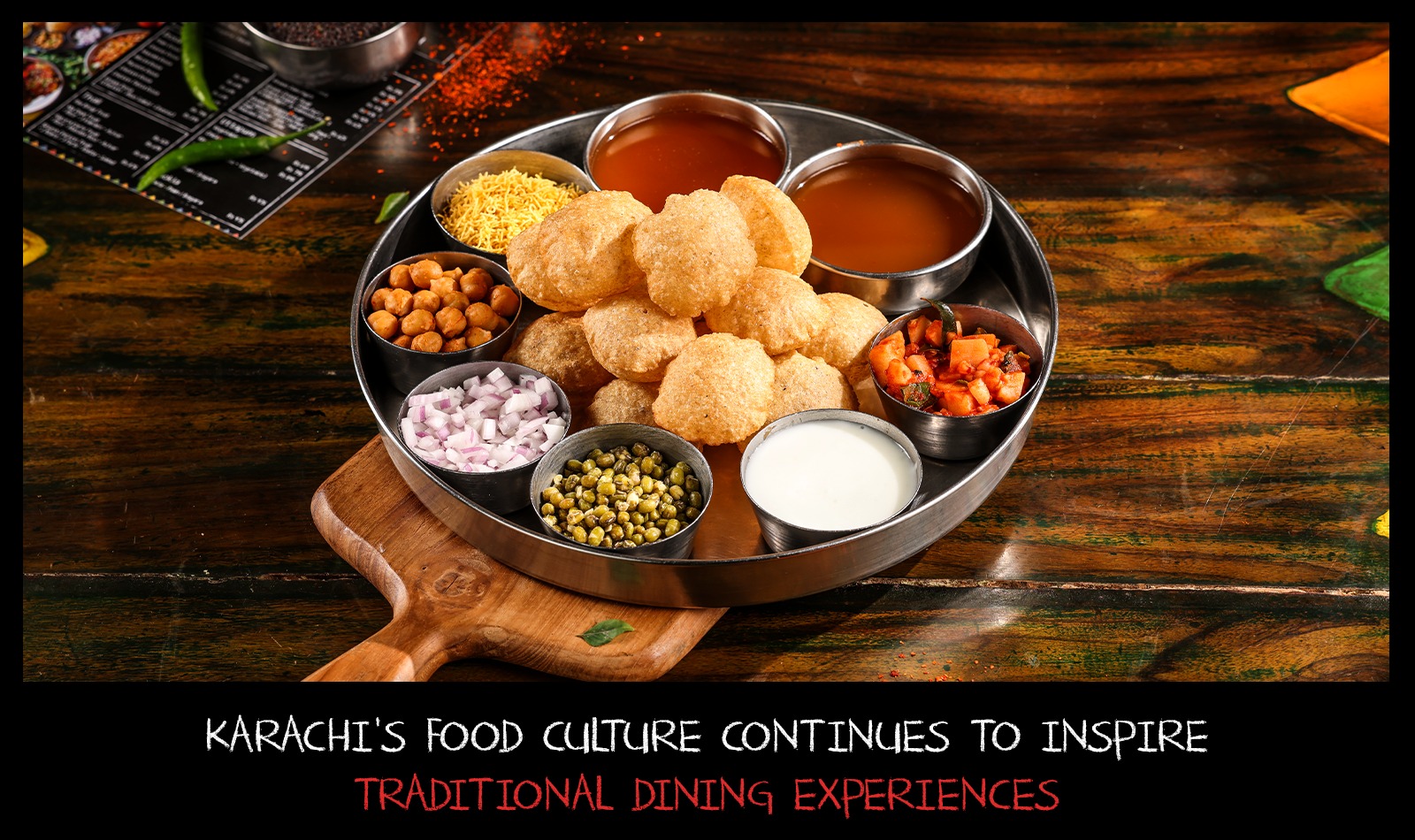
By 6:30, the evening has already decided what it wants: something hot, something chatpata, and maybe a dosa if the craving is serious. That is Karachi food culture in its most familiar form, built around shared plates, loud opinions, extra chutney, and food that somehow tastes better when the whole table is reaching for it.
Mirchili fits into that rhythm because it serves the kind of food Karachi people already understand. Dosas, idlis, uttapams, chaat, bun kababs, kabab paratha rolls, thalis, and gol gappay all carry that easy, social, street-food energy.
How Karachi food culture became a table habit
Karachi eats with movement. Food is passed, dipped, split, argued over, and finished before anyone admits they were hungry.
That is why the city keeps returning to food with contrast. A crisp dosa edge, a spoon of cold yogurt chaat, hot sambar, sharp tamarind, soft idli, warm paratha, and spicy chutney all make sense on the same table.
It comes from the city’s mixed appetite
Karachi is home to people from everywhere, and the food shows it. You can find South Indian flavors, Gujarati-style snacks, Hyderabadi spice, Punjabi comfort, and proper Karachi street food sitting close together.
That mix is not treated like a special occasion here. It is normal. One person wants masala dosa with sambar and chutney, while another wants chaat with extra papri and gol gappay pani strong enough to make the eyes blink.
The best food is rarely eaten alone
A lot of Karachi food feels made for sharing, even when it arrives as one plate. Someone always tears a corner of dosa, asks for a bite of roll, or steals the crunchiest part of the chaat.
This is why street food becomes part of family time. It does not demand silence or formality. It works with chai, jokes, traffic stories, and the usual “bas thora sa aur” after everyone claims they are done.
Why Mirchili feels close to traditional food Karachi
Mirchili feels close to traditional food Karachi because the food still has that street-side honesty. The chaat is layered with yogurt, masala, tamarind, potato, and papri crunch, while the dosas bring that crisp-to-soft bite people wait for.
Nothing feels too distant from the craving. The spice can be bold, the chutneys have personality, and the food is built for people who want flavor without making the meal feel stiff.
Dosa brings comfort with a crackle
A good dosa is all about timing. The edge needs to be crisp enough to break cleanly, while the middle stays soft where the masala sits warm inside.
When you dip it into sambar, the bite changes. The heat softens the dosa, the potato adds body, and the chutney brings either cool coconut or a sharper green hit. That is why dosa works for both snack cravings and proper family meals.
Chaat carries the Karachi mood
Chaat is not gentle food. It is sour, spicy, creamy, crunchy, and slightly messy, which is exactly why people love it.
The spoon should catch potato, yogurt, tamarind, masala, and papri in one go. If the balance is right, the first bite feels cool at the start, then the spice builds slowly at the back. That is the kind of plate people keep circling back to.
Gol gappay are pure table energy
Gol gappay change the mood of a table fast. The shell cracks, the cold pani rushes in, and everyone suddenly has an opinion about whether the pani should be more sour, more spicy, or more chilled.
It is not a neat dish, and it is not meant to be. It is quick, sharp, playful, and perfect for the kind of eating where half the fun is watching someone react after the first bite.
What to pair for local dining Karachi
For local dining Karachi families enjoy, the best move is balance. Pick something crisp, something tangy, something filling, and something people can pass around easily.
Start with masala dosa or uttapam for warmth and texture. Add chaat for the sour-sweet masala hit, then bring in bun kababs or kabab paratha rolls when the table needs something heavier.
For lighter evenings
If the plan is casual and nobody wants a full dinner, go with dosa, idli, chaat, and gol gappay. This keeps the table active without making the meal feel too heavy.
Idli softens the order nicely. It is steamed, warm, and mild, especially when dipped into sambar. That makes it a good balance next to chaat and gol gappay, which can be sharper and more intense.
For proper hunger
When the group is actually hungry, add rolls, bun kababs, and thalis. A kabab paratha roll brings warm paratha, spiced filling, chutney, and onions in a tight bite that feels made for Karachi evenings.
Thalis bring the meal back to proper eating. They help when someone wants more than snacks, while the street-food items keep the table fun.
Food heritage Karachi feels strongest when everyone shares
Food heritage Karachi is not only about old recipes. It is also about how people gather around food and make small rituals out of ordinary evenings.
At Mirchili, that shows up in the way people order. One plate of chaat becomes three people’s snack, one dosa gets split across the table, and gol gappay turn into a small competition over who can handle the stronger pani.
Weekend plans need flexible food
Karachi weekends rarely stay simple. A short outing becomes dinner, a quick snack becomes a family order, and one person’s craving somehow turns into everyone’s plan.
This is where Mirchili makes sense. The menu has enough variety for kids, elders, spice lovers, and people who just want something familiar. It feels casual, but still gives the table enough food to feel complete.
Honest spice matters
Some dishes are stronger than others, and that is worth saying. Chaat, gol gappay, and rolls can carry a sharper masala profile, especially for someone who prefers mild food.
That does not make them difficult to enjoy. It just means the best order has balance. Pair the bold items with dosa, idli, uttapam, sambar, or thali, so everyone at the table gets their kind of bite.
Frequently Asked Questions
How does Karachi food culture influence restaurants?
If you are wondering how Karachi food culture influences restaurants, the answer is simple: restaurants here have to serve variety, speed, bold flavor, and food that works for groups. Karachi diners do not always want one formal plate; they want options they can share, mix, and argue about.
That is why places like Mirchili work well. The menu reflects the way people actually eat, with dosas, chaat, rolls, thalis, gol gappay, chutneys, and sambar all fitting into different moods.
What is traditional dining in Karachi like?
Traditional dining in Karachi is relaxed, social, and full of contrast. It can mean family-style meals, street snacks, South Indian plates, spicy rolls, chaat, or a mixed table where everyone orders something different.
The common thread is sharing. Food usually sits in the center, people taste from each other’s plates, and chutney decisions become part of the conversation.
Why do families choose Mirchili for casual food?
Families choose Mirchili because the food covers different cravings without making the meal complicated. Elders can enjoy dosa, idli, uttapam, or thali, while kids and spice lovers may go toward bun kababs, rolls, chaat, and gol gappay.
It also feels easy for weekend outings and online orders. The food is familiar, the choices are broad, and the table does not have to agree on just one dish.
Next time Karachi’s evening hunger starts calling, let the table choose a little crisp, a little tangy, a little spicy, and a little comforting from Mirchili.